The early stages of a baby’s life are filled with important milestones that shape their growth and development. One of the most valuable tools for supporting a baby’s growth during this period is the playmat bed. This dual-purpose item serves as both a safe play area and a comfortable napping space, making it an essential addition to any nursery or playroom. But when should you start laying your baby on a playmat bed? This article will guide you through the right time to use a playmat bed based on your baby’s developmental needs.
What is a Playmat Bed?
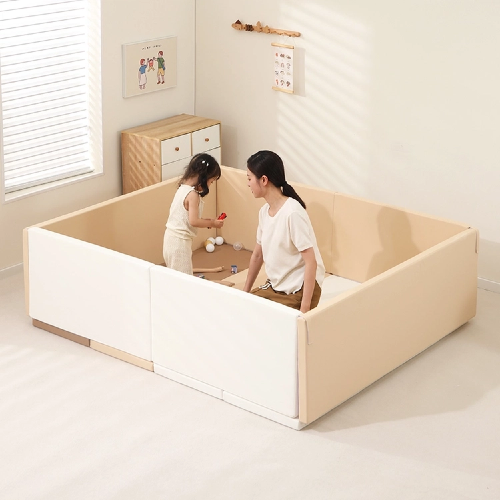
A playmat bed is a specially designed piece of baby gear that functions as both a play mat for developmental activities and a bed for naps. Made with soft, cushioned materials, the playmat bed provides a safe and comfortable environment for babies to explore, rest, and play. The design of the playmat bed ensures that it supports a baby’s physical development while offering a convenient solution for parents looking for a multipurpose item.
Why Use a Playmat Bed?
The playmat bed is a multi-functional product designed with babies’ safety, comfort, and development in mind. It provides:
A Soft and Safe Surface: Babies can lay down comfortably and explore their surroundings without the risk of hard surfaces causing discomfort.
Developmental Benefits: The playmat bed supports developmental activities like tummy time, crawling, and sitting, which are essential in the early stages of life.
Dual Use for Convenience: The ability to use the bed for both play and naptime ensures that parents have a practical, space-saving solution for their baby’s needs.
Understanding the Right Time to Start Using a Playmat Bed
Age Considerations: When to Start Using the Playmat Bed
Knowing the right age to introduce your baby to the playmat bed depends on their developmental milestones. Here’s a breakdown of when to start using a playmat bed based on your baby’s growth:
Newborns (0-2 Months)
At this stage, babies are still adjusting to life outside the womb and may not yet have the strength to hold their heads up for extended periods. However, you can still introduce them to the playmat bed for short, supervised sessions.
Tummy Time: For newborns, tummy time is critical for building neck and shoulder muscles. Begin with short tummy time sessions (about 1-2 minutes) on the playmat bed to help them get accustomed to the position.
Supervised Rest: You can place your newborn on the playmat bed for short naps while ensuring they are always supervised. The soft surface of the bed can make it a safe resting spot.
Infants (3-6 Months)
As babies approach the 3-6 month mark, they begin to develop more muscle strength, allowing them to hold their heads up for longer periods. This is an ideal time to start using the playmat bed more frequently.
Extended Tummy Time: At this age, babies can engage in longer tummy time, which is essential for building upper body strength. The playmat bed provides a spacious and comfortable area for this.
Beginning to Crawl: Babies may start crawling around this age, so using the playmat bed as a play area can give them the space they need to practice these new skills.
Older Babies (6+ Months)
By the time your baby reaches 6 months, they will likely be more active, rolling over and possibly sitting up. The playmat bed becomes a key part of their playtime and nap routine.
Active Play: Older babies can benefit from extended playtime on the playmat bed, which provides ample space for them to move around safely.
Naptime Comfort: As your baby grows, the playmat bed can also serve as a dedicated nap area, providing the comfort and support needed for restful sleep.
The Benefits of Using a Playmat Bed from Early Stages
Using the playmat bed early on offers numerous benefits for both the baby’s development and the parents’ convenience. Here are some key advantages:
Supporting Developmental Milestones
A playmat bed is more than just a comfortable surface; it is an essential tool for encouraging and supporting your baby’s developmental milestones:
Developmental Stage | Benefits of Playmat Bed |
Tummy Time | Builds neck, shoulder, and arm strength |
Rolling Over | Encourages movement and body coordination |
Crawling | Provides space to explore and develop motor skills |
Sitting Up | Offers stability and a safe surface for sitting |
The playmat bed supports these milestones by offering a safe, cushioned environment for babies to practice these critical movements.
Comfort and Safety for Resting
The playmat bed also serves as a safe and comfortable area for babies to rest. With its soft cushioning and secure edges, it provides a soothing space for naps:
Cushioned Comfort: The padded surface ensures that babies can lie down or nap in comfort.
Safety: The playmat bed creates a safer environment compared to using a traditional bed or soft furniture, reducing the risk of falls.
Multi-functional Use
The versatility of the playmat bed allows it to adapt to your baby’s changing needs. As your baby grows, the playmat bed can transition from a simple rest space to an active play area, which makes it an essential and long-lasting product in any nursery.
Key Tips for Using the Playmat Bed at Different Stages
For Newborns (0-2 Months)
During the first few months, babies are still adjusting to their new environment. Here’s how to use the playmat bed during this early stage:
Short Tummy Time: Start with 1-2 minute tummy time sessions on the playmat bed. Gradually increase the time as your baby’s strength improves.
Gentle Rest: Lay your newborn on their back on the playmat bed for brief naps. Always monitor them to ensure they are safe.
For Infants (3-6 Months)
By 3-6 months, babies are more active and can benefit from longer play sessions. Here’s how to optimize the playmat bed during this period:
Extended Tummy Time: Let your baby spend longer periods on their tummy on the playmat bed to strengthen their muscles.
Interactive Play: Introduce toys or objects to encourage reaching and grabbing during tummy time, which enhances sensory and motor development.
Safe Sitting Practice: As your baby begins sitting, use the playmat bed as a stable base for them to practice sitting up safely.
For Older Babies (6+ Months)
When your baby reaches 6 months, they are ready to explore and engage more actively. Here’s how to use the playmat bed effectively at this stage:
Crawling and Exploration: Allow your baby to explore the playmat bed freely, encouraging crawling and mobility.
Comfortable Naps: As your baby settles into a regular sleep routine, the playmat bed can be used as their go-to spot for napping, offering comfort and familiarity.
How to Set Up the Playmat Bed for Different Stages of Baby Growth
Preparing the Playmat Bed
Setting up the playmat bed correctly is key to ensuring your baby’s safety and comfort. Here’s how to prepare the playmat bed at different stages:
For Newborns: Use soft, breathable blankets and ensure the playmat is placed on a flat, stable surface. Keep the area free of sharp objects and small toys.
For Infants: You can add more toys or interactive elements to encourage play and exploration, but always ensure the area is clear of anything that could pose a choking hazard.
For Older Babies: Add supportive cushions or soft pillows around the edges to provide stability as your baby starts sitting or crawling.
Transitioning from Playtime to Naptime
The playmat bed can easily transition from a play area to a nap area by adjusting the setup. Here’s how:
For Playtime: Keep toys and interactive items nearby to engage your baby.
For Naptime: Dim the lights, reduce distractions, and lay your baby down on the playmat bed for a peaceful nap.
Signs Your Baby is Ready for the Playmat Bed
It’s important to recognize when your baby is ready for more active use of the playmat bed. Here are some signs that indicate your baby is ready:
Physical Readiness
Behavioral Signs
Curiosity: If your baby shows interest in toys or objects around them, it’s a sign they’re ready to explore the playmat.
Active Movements: Kicking, reaching, and turning their head indicate readiness for more active play.
Conclusion
The playmat bed is a crucial tool in fostering your baby’s growth and development. The ideal time to introduce your baby to the playmat bed depends on their physical and developmental milestones. From newborns to older infants, the playmat bed offers a safe, comfortable, and versatile space for both play and rest. By using the playmat bed at the right time, you can actively support your baby’s motor skills, sensory development, and overall well-being.
At Wenzhou Fanle Education Technology Co., Ltd., we are dedicated to providing high-quality, innovative products that help nurture your baby’s development. Our playmat bed is designed with your child’s comfort and safety in mind, ensuring a perfect blend of functionality and convenience. Whether you are looking for a reliable playtime solution or a comfortable napping space, our products are tailored to meet your needs. For more information or to inquire about our products, feel free to reach out to us—we are here to support you in providing the best environment for your baby’s growth.
FAQ
When is the best age to start using a playmat bed?
The best age to start using a playmat bed is around 3-6 months, when babies can begin tummy time and need space to explore. However, you can start using it for short sessions even with newborns.
Can a playmat bed be used for newborns?
Yes, a playmat bed can be used for newborns, particularly for supervised tummy time, as it provides a soft and safe surface.
How long can my baby stay on the playmat bed?
For newborns, limit tummy time to a few minutes at a time, gradually increasing as your baby gets stronger. Older babies can spend longer periods playing and napping on the playmat bed.
Can the playmat bed be used for sleeping?
Yes, once your baby is able to roll over and hold their head up, the playmat bed can be used for naps. Always supervise during sleep and ensure the area is free from any loose objects.


