Introduction
If your baby crawls fast, your home feels smaller. That is why many parents ask what is playpen, and whether it is truly safe.
In this guide, we explain what a playpen is, how a baby playpen differs from gates and cribs, and how to choose and use it well. You’ll also learn simple setup rules, safety checks, and smart ways to balance it with free floor play.
What is a playpen, and what counts as a baby playpen?
A simple definition of a playpen
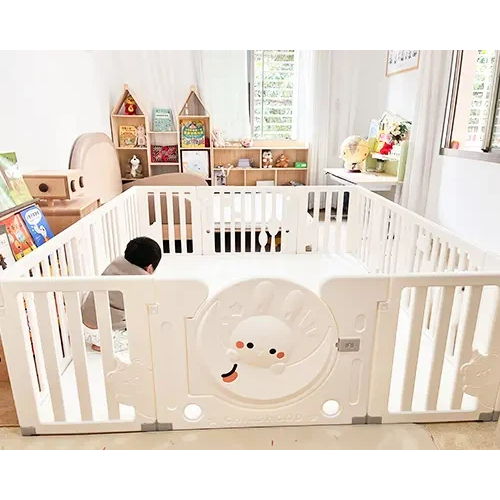
A playpen is an enclosed space made for supervised play. It limits roaming while still allowing movement and exploration. Many parents call it a “safe zone” for short stretches. It can be a fabric play yard, or a panel style fence. The best ones feel stable, and they feel easy to access. When used well, it supports routines and reduces chasing. It should never replace supervision, but it can support it. It works best when it stays positive and easy for adults to manage.
What a baby playpen is not
A baby playpen is not a crib, and it is not a sleep solution. A crib supports long sleep, and it follows strict sleep guidance. A playpen is mainly for play, short rest, and quick containment. It also is not a baby gate at a doorway. Gates block access to hazards, but they do not create a play space. It is not a full baby proof plan either. You still need anchors, cord control, and safe storage around it. If you treat it like a cage, they will fight it.
Common types of baby playpen designs
You will see mesh play yards and panel play fences most often. Mesh play yards fold into bags and suit travel. Panel fences build bigger shapes for daily yes-spaces. Match the type to your routine, not the photo.
Baby playpen type | Best use case | Common strengths | Watch-outs |
Mesh play yard | Travel and small rooms | Foldable, light, quick setup | Smaller play area, softer walls |
Panel play fence | Daily “yes-space” | Larger space, flexible shapes | Needs stable placement, more pieces |
Pop-up portable pen | Short trips | Very light, fast opening | Less sturdy, limited lifespan |
Key parts that make a baby playpen work
A baby playpen works because small details work together. Panels or walls create boundaries, and they must resist pushing. Locks and latches prevent easy escape, even during strong pulling. A stable base keeps it from sliding on smooth floors. Anti-slip feet help on tile, wood, and laminate surfaces. Doors matter, because adults need quick entry. Look for smooth edges and safe gaps between panels. Those features reduce pinches and stuck limbs during active play. Before buying, push every side hard and listen for clicks or slips.
When a baby playpen becomes useful, and the right role
Most families start using a baby playpen when crawling begins. Some start earlier, when rolling becomes constant. It helps during short tasks, like cooking or answering the door. Plan use in short blocks, then return quickly. It should support floor play, not replace it.
Baby milestone | What changes | How a baby playpen helps | Simple guardrail |
Rolling | They reach farther | Short safe breaks for you | Keep it low clutter |
Crawling | They chase hazards | Blocks cords and stairs | Place it away from cords |
Pulling up | They test balance | Supports safer standing play | Check wobble every day |
Tip:For B2B buyers, label baby playpen sizes by stage and room fit.
Why parents use a baby playpen
Safety during high-risk moments
Parents use a baby playpen when the home has open hazards. Kitchens, stairs, and cords are hard to control every minute. A playpen creates a barrier between curiosity and risk. It helps when you carry groceries or answer the door. It helps during showers, bathroom breaks, or sibling care. The key is timing and planning, not long confinement. You place the child inside, then you do the task, then you return. This pattern keeps safety high and stress lower. Keep the playpen in the same spot, so setup stays fast.
Encouraging independent play
A baby playpen can support independent play when it feels inviting. A defined space reduces distractions and toy spread. Many babies focus longer when toys stay within reach. They practice sitting, crawling, and standing in a safer zone. You can sit nearby and still let them lead play. If you build positive associations early, they tolerate it better. Start short, then extend time in small steps. It becomes part of the routine, not a punishment space. A simple song and eye contact can help them settle inside.
Social, pet, and sibling boundaries
Families use a baby playpen to manage busy households. Pets may be friendly, yet they still need boundaries. Siblings may want to help, yet they can trip or drop toys. A playpen creates a shared rule everyone can understand. It also helps during supervised playdates in small homes. Adults can control who enters and what toys go inside. The child stays visible, and they feel part of the room. That balance supports safer social time. Set rules for hands and toys, so siblings keep play gentle.
How to choose the right baby playpen
Size, shape, and room fit
Start by measuring your real floor space, not your wish space. A baby playpen should fit without blocking walkways and exits. In small homes, a rectangle along a wall often works well. In open plans, a larger square can feel more natural. Think about furniture edges near the pen, since climbing risks matter. If you plan to move it often, choose a simpler footprint. If you want a daily play zone, choose more room. Babies move more when space feels open.
Materials and cleanability
Material choice affects comfort, cleaning, and long-term use. Mesh play yards allow airflow and visibility for parents. Panel fences use plastic or composite panels for structure. For floors, some parents pair pens and wipe-clean mats. Look for low-odor materials, since babies stay close to surfaces. Check how seams, corners, and joints hold moisture. Easy cleaning matters after snacks and diaper leaks. If it is hard to wipe, it will stay dirty. Clean gear supports trust for parents and caregivers.
Safety features that matter most
A baby playpen should feel stable when you push on it. Locks should close firmly and resist simple child pressure. Gaps between panels should avoid head or limb trapping. Edges should feel smooth, and corners should not feel sharp. Anti-slip feet help prevent sliding on tile and wood. Doors should open for adults, but stay secure for kids. If it wobbles, it will frustrate both parent and child. Stability is not a luxury feature, it is a safety feature.
Portability and storage needs
Portability matters when you move rooms or travel often. Fold time should be short, and steps should feel simple. A carry bag helps keep pieces together between uses. Weight matters if you carry it upstairs or to cars. Storage size matters in small apartments and shared rooms. If setup feels hard, you will avoid using it. Choose what matches your life, not what looks best online. Practical wins are the ones you keep using.
Note:For B2B sourcing, request safety test reports and clear spare part policies.
How to set up and use a baby playpen well
Placement rules for safer use
Placement is as important as the playpen itself. Keep it away from blind cords, heaters, and wall sockets. Keep it away from stairs, windows, and climbable furniture edges. Avoid placing it near heavy shelves and unstable lamps. Use it on a flat surface, so it stays stable. If floors are slippery, add anti-slip pads or a mat. A good spot makes daily use feel easy and safe. Recheck the area each week, since furniture moves and cords appear. Keep pets and older kids out until you finish the setup.
What to put inside the baby playpen
Inside the baby playpen, less usually works better. Choose a few age-safe toys that fit their current skills. Too many toys can overwhelm and create tripping hazards. Add one comfort item, like a small blanket for daytime play. Avoid toys with long strings or small loose parts. Rotate toys weekly to keep interest fresh. Keep water bottles and hard objects outside the pen. A tidy space feels calmer, and it keeps supervision simpler. If you add snacks, use soft pieces and stay close during eating.
Helping your baby accept it and building a routine
Acceptance often depends on your first week of use. Start when they are fed and rested, not hungry or tired. Sit near the baby playpen and talk during the first sessions. Use short sessions, then end before frustration peaks. If they cry, check boredom and comfort before ending quickly. Over time, they learn the pen means safe play and attention nearby. This makes daily routines smoother for everyone. A simple song and eye contact can help them settle inside.
Tip:For retailers, teach a “start short, end happy” baby playpen routine.
Baby playpen safety checks and troubleshooting
Common problems and quick fixes
Most playpen problems come from setup, not from the baby. If it wobbles, recheck panels and confirm each lock is closed. If it slides, add a grippy mat or anti-slip pads. If doors stick, clean joints and check for misaligned clips. If toys fall out, reduce toy count and avoid tall stackable toys. If pinches happen, inspect hinges and panel joins. A stable baby playpen keeps everyone calmer. If parts feel loose, stop using it until you replace them.
“My baby hates the playpen”
Some babies resist a baby playpen at first, and that is normal. They may want movement, or they may dislike separation. Start by using it when you stay nearby and engaged. Keep sessions short, then increase in small steps. Change the toy set every few days to renew interest. Use it after floor play, not instead of floor play. If they cry hard, pause and try later during calmer hours. Consistency matters, but forcing it can backfire. Try again tomorrow, since mood and timing change more than you expect.
Preventing overuse and keeping it clean
A baby playpen works best as a tool, not a default container. Balance pen time and free floor play, plus guided exploration. Watch for boredom signs, like throwing toys and constant climbing attempts. Cleaning also affects acceptance and health. Wipe surfaces after snacks and messy play. Deep clean weekly, and dry joints to prevent odor. Replace worn clips, torn mesh, or weak latches quickly. When it feels fresh and safe, they accept it more easily.
Note:For childcare centers, use a cleaning log and a latch check routine.
Cost, value, and comparisons
How much a baby playpen costs
Prices vary because designs vary a lot. Size, materials, and add-ons change cost quickly. A simple mesh baby playpen often costs less than a large panel fence. Doors, activity boards, and thicker frames raise the price. Brands may charge more for design and packaging. In many markets, basic models may start near $50. Larger systems can reach $200 or more. Ask what you really need, since larger sizes raise cost fast. For B2B, landed cost also includes cartons, spares, and returns.
Baby playpen vs baby gate vs play mat vs travel cot
Names sound similar, so people buy the wrong item. A gate blocks hazards, yet it does not create a play zone. A play mat cushions falls, yet it does not stop roaming. A travel cot supports rest on trips, yet it has a different goal. A baby playpen creates an enclosed play space during short supervision breaks. Use the table below for quick decisions.
Item | Main purpose | Best time to use | Key limitation |
Baby playpen | Safe enclosed play space | Busy moments and routines | Not a sleep replacement |
Baby gate | Block access to hazards | Stairs and doorways | No defined play zone |
Play mat | Cushion and comfort | Floor play and learning | No boundary control |
Travel cot | Temporary sleep and rest | Trips and naps | Smaller play area |
Getting the best value from your purchase
Value means the playpen fits your daily life and lasts. Choose the size you will actually use every day. Check stability before you pay for extra features. Make sure cleaning is easy, or it will become a burden. If you need travel, choose fast fold and a carry bag. If you need a living room zone, choose modular panels and strong locks. For B2B buyers, consistency matters for returns and reviews. Look for replaceable parts and clear warranty terms before you buy.
Conclusion
A playpen is a supervised, enclosed space for safer daily play. A baby playpen works best for short busy moments, not long containment. Choose a stable design, place it away from hazards, and keep toys simple. Balance it with floor play and steady supervision.
For families and buyers, Wenzhou Fanle Education Technology Co., Ltd. supports safer routines through practical baby gear. Their baby playpens and play mats focus on cleanable surfaces, stable boundaries, and flexible sizing, so homes and childcare spaces can stay calm, safe, and easy to manage.
FAQ
Q: What is a playpen used for?
A: It creates a supervised, enclosed play space during short busy moments.
Q: What is a baby playpen, exactly?
A: A baby playpen is a safe boundary for play, not a sleep replacement.
Q: How do I set up a baby playpen safely?
A: Place the baby playpen away from cords, heaters, stairs, and climbable furniture.
Q: Why do parents buy a baby playpen?
A: A baby playpen reduces chasing and supports calmer routines and independent play.
Q: How much does a baby playpen cost?
A: A baby playpen price depends on size, materials, and stability features.
Q: My baby hates the baby playpen—what can I do?
A: Start short, stay nearby, rotate toys, and keep the baby playpen positive.


