Introduction
Spills happen fast in a playpen, and smells can linger. If you’re wondering how to clean playpen mat without damaging it, you’re in the right place.
In this guide, we’ll walk through a safe routine for a baby playpen mat: check the material, remove crumbs first, wipe and rinse gently, then dry it fully to avoid residue and mildew.
Before you clean a baby playpen mat
Check the label and manufacturer directions first
Start by finding the care label or insert sheet. Many mats look similar, yet they behave very differently. Some covers handle machine washing. Some foam cores do not handle soaking. Some waterproof coatings crack under harsh cleaners.
If the label lists a cleaner, follow it first. If it warns against bleach, respect it. If it allows cold washing for covers, keep the cycle gentle. When you follow the instructions, you reduce damage risk. You also keep warranties and compliance clearer for childcare settings.
Identify the mat material and seams
Next, identify what your baby playpen mat is made of. A waterproof surface often wipes clean fast. Foam mats feel thicker and can trap moisture inside. Fabric covers can hold odor, yet they may wash easier. Seams and stitched corners matter most, since they trap residue.
Press the surface using a clean hand. If it beads water, it likely has a coating. If it absorbs water quickly, treat it like fabric. Check seams for fraying, cracks, or lifting edges. Those spots need gentler pressure and faster drying.
Material or surface | Best cleaning approach | What to avoid | Drying priority |
Waterproof coated surface | Wipe clean using mild soap | Soaking, abrasive pads | Dry seams fully |
Fabric cover over foam | Remove cover, wash if allowed | Strong fragrance, hot cycles | Air-dry completely |
Foam core (XPE style) | Wipe, then fast air-dry | Hosing, long wet time | Prevent trapped moisture |
Prep a safe cleaning setup
Before you start, move your baby away from the area. Keep pets out too. Open a window or run a fan. Good airflow helps drying and reduces cleaner smell.
Gather gentle tools and keep it simple. Use warm water, mild dish soap, and soft cloths. Add a small soft brush for seams only. Keep a dry towel ready for quick blotting. You do not need many products to clean well.
Tip:For B2B buyers, request material specs and care steps on every carton label.
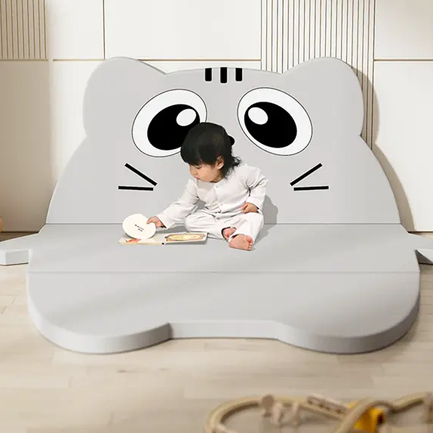
How to clean a baby playpen mat, step by step
Clear the area and inspect the mat for damage
Remove toys, straps, and any loose inserts first. If your mat has a removable cover, unzip it carefully. Shake out crumbs outside, so you do not grind them in. Then inspect the surface under bright light.
Look for tears, cracked coating, or loose stitching. Check corners where liquids collect. If you see exposed foam, avoid heavy wet cleaning there. Use light wiping and fast drying instead. If damage looks serious, consider replacing it for safety.
Dry-clean first, then spot-treat stains
Always start dry, before adding water. Vacuum the mat using a soft brush attachment. If you lack a vacuum, shake and wipe using a dry cloth. This step removes grit and hair, which can scratch surfaces.
Next, spot-treat stains before washing the whole mat. Mix warm water and a few drops of mild soap. Dab the stain using a soft cloth, then blot dry. For food stains, repeat short dabs instead of hard scrubbing. For diaper leaks, wipe, blot, then wipe again.
Wipe-wash the whole surface, then rinse residue
Now clean the entire baby playpen mat surface using gentle wipes. Dip a cloth in soapy water, then wring it well. Wipe in small sections, so you do not leave wet pools. Give extra attention to seams and textured corners.
After wiping, rinse away soap residue. Use a clean cloth dampened in plain water. Wipe again, using the same small sections. Residue can feel sticky and attract more dirt later. A careful rinse keeps the finish smoother and fresher.
Air-dry fully and reset the play space
Drying is not optional, especially for foam mats. Blot the surface using a clean towel first. Then place the mat in a ventilated area. If weather allows, shade or indirect sun can help. Avoid intense heat near heaters.
Wait until seams feel fully dry before folding or reassembling. Moisture trapped inside can create odor and mildew. Once dry, put covers back on and return toys. Do a quick safety check on playpen locks and edges after reset.
Note:For childcare operators, add “dry-to-zero” time to cleaning SOPs to reduce mold risk.
How often should you clean a baby playpen mat
Quick clean after messes
Treat fresh messes like small emergencies. Fast action prevents stains and smells. Keep wipes or a damp cloth nearby for quick response. First, remove solids using a paper towel. Then wipe using mild soap and warm water.
Finish by wiping using plain water, then blot dry. This two-step wipe helps avoid residue. If the mess is milk or formula, do not skip rinsing. Dried protein creates odor and tacky spots. A two-minute routine saves time later.
Weekly wipe-down for daily users
If your baby uses the playpen daily, plan a weekly wipe-down. You do not need a full deep clean each time. Focus on high-touch zones and corners. Wipe the full surface using mild soap. Rinse carefully and dry fully.
Weekly cleaning also reveals wear early. You will spot lifting seams or cracked coating sooner. That helps you replace parts before they fail. For B2B settings, weekly checks reduce complaint rates. They also support consistent hygiene standards across rooms.
Monthly deep clean and odor control plan
A monthly deep clean keeps the baby playpen mat fresh long term. Remove the cover if it allows removal. Wash it as the label permits, often cold and gentle. Wipe the core and the underside too. Odor often starts underneath.
For odor control, focus on complete drying and airflow. Avoid heavy perfumes, since babies stay close to surfaces. If odor persists, try repeating rinse steps and drying longer. If mildew appears, replacement may be safer. Some smells do not “wash out” once they spread.
Cleaning moment | What you do | Time estimate | Why it helps |
After a spill | Wipe, rinse, blot dry | 2–5 minutes | Stops stains and odor |
Weekly | Wipe full surface, check seams | 10–15 minutes | Prevents buildup |
Monthly | Remove cover, deep clean core | 30–45 minutes | Resets hygiene |
What not to do when cleaning a baby playpen mat
Avoid harsh chemicals and strong fragrance cleaners
Harsh cleaners can irritate sensitive skin and noses. They can also damage coatings and printed surfaces. Avoid bleach unless the label clearly allows it. Avoid strong degreasers and heavy “bathroom” sprays. They often leave residue even after rinsing.
Use mild soap and warm water as your default. If you need disinfecting after illness, choose baby-safe products. Follow the product directions, then rinse and dry well. Disinfecting without rinsing can leave film and smell. Babies touch surfaces using hands and faces.
Don’t soak it or hose it down
Soaking feels tempting, yet it causes problems fast. Water can enter seams and stay trapped in foam. That trapped moisture can grow mildew. Hosing also forces water into joints and stitching. It can loosen adhesives and weaken structure.
Instead, use controlled moisture and small sections. Wring cloths well before wiping. Blot quickly after cleaning. Dry the mat flat in airflow until fully dry. If you must clean outdoors, keep water minimal. Treat drying like part of the cleaning job.
Skip abrasive scrubbers and aggressive brushing
Rough scrubbers can scratch coatings and tear fabric fibers. Hard brushing can open seams and remove surface layers. It often makes stains worse by spreading them. It also shortens mat life, especially on printed designs.
Use soft cloths and gentle circular motion instead. For seams, use a soft brush only when needed. Keep pressure light and repeat passes if needed. Patience beats force in mat cleaning. If a stain resists, switch to repeated spot-treat cycles. Do not “sand” the surface.
Troubleshooting common baby playpen mat problems
Stains that won’t lift
Some stains resist basic soap, especially sauces and fruit dyes. Start by checking if the mat surface has a coating. Coated surfaces often release stains using repeated gentle wipes. Fabric covers may need washing, if allowed. For diaper leaks, rinse steps matter most.
Try a second round of spot-treating using mild soap and warm water. Let the soapy cloth rest on the spot briefly. Then blot and rinse. Do not over-wet foam areas. If the stain still remains, it may be permanent discoloration. At that point, hygiene matters more than looks.
Odors and sticky residue after cleaning
Sticky feel often comes from leftover soap film. It also attracts new dirt and hair. Fix it by rinsing more than you think you need. Use a clean damp cloth and wipe twice. Then blot dry and air-dry longer.
Odor often points to hidden moisture or trapped residue. Check seams, undersides, and folds for damp spots. Increase airflow using a fan and open window. If odor persists after full drying, repeat the rinse cycle. Avoid masking smells using fragrance sprays. They can irritate babies and confuse caregivers.
Moisture, mildew risk, and when it’s time to replace
Mildew usually appears as dark spots or a musty smell. It often grows inside seams and foam edges. If you see visible mold, treat it seriously. Some mats cannot be safely restored once mold spreads. Replacement may be safer, especially for childcare use.
If the surface cracks, flakes, or peels, stop using it. Small flakes can become choking hazards. If stitching tears and exposes foam, the mat traps dirt and moisture faster. A safe mat should feel intact and easy to clean. When it no longer does, it is time to retire it.
Problem | Likely cause | First fix | When to replace |
Sticky surface | Soap residue | Extra rinse wipes | Film returns quickly |
Musty odor | Trapped moisture | Longer air-dry | Odor persists weekly |
Dark spots | Mildew or mold | Stop use, assess | Visible spread (需要验证) |
Peeling surface | Coating damage | Stop scrubbing | Any flaking pieces |
Tip:For B2B programs, track recurring issues to improve material selection and care training.
Keep your baby playpen mat cleaner for longer
Use fitted covers or sheets safely
A fitted cover can reduce direct mess on the mat. It also makes laundry easier. Choose snug fits that do not bunch or slide. Loose fabric can create wrinkles and trap crumbs. It can also reduce stability inside the playpen.
Wash covers using gentle detergent and cold cycles when allowed. Dry them fully before reuse. Keep spare covers if you clean often. Rotating covers reduces downtime and stress. It also supports childcare workflows during high use days. Always check that the cover does not interfere with playpen locks.
Storage rules to prevent smell and mold
Storage matters as much as cleaning. Never store a mat while damp. Even slight moisture can create odor in closed spaces. Dry it fully, then store it in a cool ventilated spot. Avoid sealed plastic bags for long storage.
If you fold a baby playpen mat, fold it only after full drying. Check corners where moisture hides. For long breaks, air it out once a month. This prevents stale smells and keeps surfaces fresher. If you store it in a car, avoid heat buildup. Heat can worsen odor and weaken adhesives.
Travel tips for fast refreshes between uses
Travel adds crumbs, sand, and unknown surfaces. Pack a small “mat kit” for quick refreshes. Include mild soap, soft cloths, and a small towel. Wipe messes right away, then rinse using clean water. Dry using airflow whenever possible.
In hotels, place the mat away from vents and damp bathrooms. Check the floor before setup to avoid grit. If you must pack it quickly, keep it open later to dry. A short airing session prevents musty smells at home. Small travel habits protect mat life and reduce replacement costs.
Note:For wholesalers, include a simple care card and travel-clean tips in each package.
Conclusion
A clean mat keeps playtime safer and calmer. Follow a simple routine: dry-clean crumbs first, spot-treat stains, wipe with mild soap, rinse off residue, and air-dry fully. Avoid harsh chemicals and soaking, since they can leave film or trap moisture.
For families and childcare buyers, Wenzhou Fanle Education Technology Co., Ltd. supports easier daily care through practical baby gear. Their play mats focus on wipe-clean surfaces and durable structure, so you spend less time scrubbing and more time on safe play.
FAQ
Q: How often should I clean a baby playpen mat?
A: Quick-wipe after spills, weekly wipe-down, and monthly deep clean works well.
Q: How do I clean a baby playpen mat fast after snacks?
A: Dry-clean crumbs first, then wipe, rinse, and air-dry the baby playpen mat.
Q: Can I soak a baby playpen mat in water?
A: Avoid soaking a baby playpen mat, since moisture can trap inside and smell.
Q: Why does my baby playpen mat feel sticky after cleaning?
A: It’s usually soap residue, so rinse the baby playpen mat again and dry well.
Q: How do I remove odor from a baby playpen mat?
A: Improve rinsing and drying, then air out the baby playpen mat fully.


