Introduction
One day they only roll. Next week they crawl for cords. That shift feels sudden and stressful, so baby proof should start early.
This baby proof checklist keeps it simple. We start room by room, fast and practical. You’ll learn what to lock, move, and anchor. You’ll also build a safer “yes-space” at home, then add quick daily and weekly reset habits.
Room-by-room baby proof checklist
Kitchen
Kitchens mix heat, sharp tools, and chemicals. Get down to baby height and open low cabinets. Move pods, sprays, and sharp tools first. Add locks on cleaning and cooking cabinets. Store pods in a latched bin, then place it high. Keep knives and graters in high drawers or locked blocks.
Then cut burn and pull risks near counters and stoves. Turn pot handles inward and prefer back burners. Keep hot drinks away from edges. Clip appliance cords so nothing dangles. Use a trash can lock and do a quick floor sweep near the stove and fridge.
Tip:For B2B buyers, test locks on real cabinet finishes before large orders.
Living room and play area
This room has heavy furniture and daily clutter. Anchor TVs, bookcases, and tall cabinets into studs. Pad sharp corners on low tables and hearth edges, and choose pads that survive cleaning.
Control power risks and small-object clutter. Hide power strips in a box and route cords behind furniture. Use outlet covers that stay in place. Store remotes and small items in closed bins, and use a small basket for guest keys and earbuds.
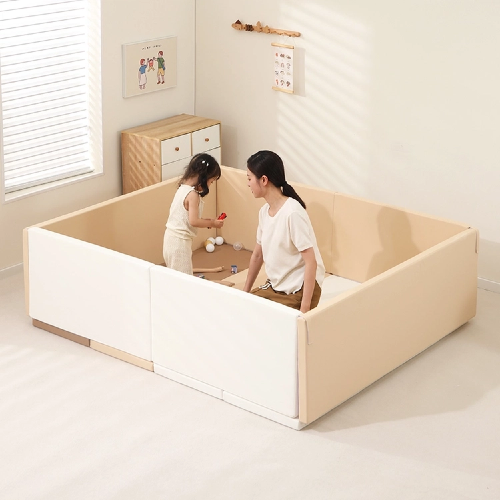
Create a simple yes-space for calm supervision. Add a play fence or gated corner and keep only safe toys inside. It reduces constant chasing during cooking or calls.
Nursery and bedrooms
Bedrooms still hold cords and tip hazards. Keep the sleep space clear and move cords away from the crib. Place monitors and power banks high, not on nightstands.
Anchor dressers and changing tables into studs. Add drawer stops to reduce climbing. Lock creams, medicines, and nail tools. Do a weekly sweep under beds and behind curtains for batteries and tiny items.
Note:For childcare facilities, keep an anchor log for each room and update it quarterly.
Bathroom and laundry
Bathrooms combine water and chemicals in small spaces. Add a toilet lock once crawling starts. Lock razors, medicines, and cosmetics. Store laundry pods in a sealed container and keep it high. Unplug hair tools and cool them on a high shelf. Use non-slip mats near tubs and sinks.
Use strict water habits every time. Empty tubs and buckets right after use. Test bath water using your wrist. Lower water heater temperature near 49°C, or 120°F, if suitable. Never rely on bath seats, and stay within arm’s reach near any water.
Stairs, doors, and windows
Falls rise fast during crawling and climbing. Use hardware-mounted gates at stair tops. Use pressure gates only on flat floors. Check latches often and avoid gates that swing over stairs.
Install window guards or stops on upper floors. Keep climbable furniture away from windows. Secure blind cords high or switch to cordless options. Add door stoppers and pinch guards, and use knob covers when needed.
Outdoors, garage, and car
Outdoor areas hide tools, fuels, and water risks. Lock pesticides, paint, and chemicals in high storage. Store tools in a locked box. Block access to grills until cool. Scan yards for sharp debris. If you have a pool, use layered barriers like fencing and locked gates.
For car safety, use the right seat for size and install it tight. Recheck after long trips. Keep small toys away from the driver area. Lock garage access and keep bags and keys up when you arrive.
When to baby proof and how to triage by age
Before birth to newborn
Start early, because later energy drops fast. Install smoke and carbon monoxide alarms on each level. Build one safe sleep space, then keep it consistent. Prepare one changing station close to supplies, so you avoid leaving them alone. Do a crawl-level scan even before birth. You will spot cords, unstable lamps, and loose items.
Share the plan early with every caregiver. Show where first-aid items live and how locks work. Post emergency numbers where adults can see them quickly. This stage is about routines, not perfect rooms. If you create strong habits now, later baby proof steps feel easy.
0–6 months
Rolling and reaching create new risks every few weeks. Lower the crib mattress once they push up on arms. Remove tablecloths and dangling items they can tug. Secure floor lamps and unstable side tables, since they wobble during grabs. Add outlet protection in rooms they visit most. Keep floors clear, because they explore using mouths.
Also plan for changing supervision patterns. If you cook while they play, build a barrier zone early. Separate pets during floor time when needed. It reduces surprises for both sides. Update the checklist monthly, since skills shift fast. Small edits beat big rebuilds later.
6–12 months and beyond
Crawling leads to cruising, then climbing becomes normal. Add cabinet locks in every high-risk zone first. Move chargers, plants, and decor to higher storage. Tie blind cords high, or replace them entirely. Use stove guards and oven locks if you need them. Add door knob covers once doors open easily.
Reassess toys for loose screws and small parts. They can break toys faster as strength grows. Many families add a play fence at this stage. It creates a safer “yes” area during chores. It also helps in shared spaces and small apartments.
Stage | New ability | Baby proof focus |
Newborn | Care routines | Safe sleep, alarms, caregiver plan |
0–6 months | Roll, reach | Cords, outlets, tip hazards |
6–12 months | Crawl, stand | Locks, gates, choking sweeps |
12–24 months | Climb, open | Windows, doors, kitchen upgrades |
Surprising hazards this baby proof checklist catches
Choking and ingestion
Choking hazards hide in normal household objects. Use the toilet-paper-tube rule as a quick test. If it fits, it can block an airway. Watch button batteries, magnets, and coins closely. They can injure even without choking symptoms.
Check remotes, key fobs, and greeting cards for battery doors. Store spare batteries in locked containers, not in drawers. Scan floors after guests arrive, especially near entryways. Also check under sofas and rugs, where parts hide. Make this a daily habit, not a one-time clean.
Strangulation and entanglement
Cords can wrap faster than we expect. Secure blind cords high or switch to cordless designs. Clip monitor and charger cords behind furniture lines. Avoid long lanyards and loose strings in play zones. Keep pacifier clips short and sturdy.
Remove drawstrings from hoodies used indoors. Check crib mobiles for loose strings and weak knots. Avoid hanging toys on long cords inside playpens. These fixes are simple and cheap. Acting early prevents rare but severe incidents.
Burns and scalds
Heat injuries happen across the entire home. Use back burners and turn pot handles inward. Keep hot drinks away from edges and laps. Unplug irons and curlers, then cool them high. Use a fireplace screen and lock lighters away.
Test bath water every time before you place them in. Scald risk rises fast at high tap temperatures. Lower water heater settings, then confirm at faucets. Also store matches and candles in locked drawers. These steps reduce risk without changing your lifestyle.
Drowning in small water
Drowning can happen in very little water. A few inches can still be dangerous. Lock toilets, empty buckets, and empty tubs. Keep bathroom doors closed after use. Never rely on bath seats for safety.
Use “arm’s reach” supervision near any water. If you have a pool, use several barriers together. Fences matter more than alarms alone. Make rules clear for guests and sitters. Simple reminders help when attention drifts.
Note:For B2B programs, add a water-control checklist to staff onboarding materials.
Safety products that actually help and what to skip
Gates
Gates work best when matched to location and install method. Use hardware-mounted gates at stair tops every time. Use pressure gates only on flat floors and doorways. Choose latches you can open one-handed. That helps during carrying and emergencies.
Check spacing so heads cannot get trapped. Avoid gates that swing over stairs. Recheck tightness after moving furniture or cleaning. Replace worn parts instead of waiting for failure. A gate is only as strong as its install points.
Cabinet and drawer locks
Locks fail when they do not fit cabinet shapes. Magnetic locks look clean and hide from kids. Strap locks fit toilets, fridges, and curved doors well. Simple latches work, yet many kids learn them fast. Buy a small batch first, then test at home.
Place locks on hazard cabinets first, not on toy storage. Keep one “safe drawer” they may explore. It reduces frustration during meal prep. Clean surfaces before sticking straps, or they peel. Keep spare adhesive strips for quick repairs.
Outlets and cord management
Outlet safety depends on cover design and install quality. Sliding outlet plates stay on and look tidy. Plug caps help for travel, yet can become hazards if removed. Use them only where supervision stays close. Hide power strips inside protective boxes.
Route cords along walls, then clip them tight. Avoid loose loops that invite pulling. Unplug unused chargers often, since heat and clutter build. Use cord sleeves where cords cross walkways. Check for loose plugs after vacuuming, since bumps loosen them.
Edge guards and anti-tip kits
Edge guards reduce cuts on low furniture corners. Anti-tip kits prevent crushing injuries from falls. Anchor dressers, shelves, and TVs to studs. Use rated hardware, not just brand claims. Recheck anchors after moving items.
Think of anchoring like seat belts at home. We do it every single time. It takes minutes and changes outcomes. If you rent, use approved wall anchors for your surfaces. Ask building rules before drilling.
Product | Best place | What to avoid | Buying cue |
Hardware gate | Stair top | Pressure gate there | Stud mount, rigid frame |
Pressure gate | Flat doorway | Loose fit on trim | Wide base, strong latch |
Strap lock | Toilet, fridge | Weak adhesive spots | Flexible strap, easy release |
Anti-tip kit | Dresser, TV | Skipping studs | Rated strap, screw hardware |
Tip:For distributors, bundle gates and locks as a simple “baby proof” starter kit.
Build a safer yes-space to reduce chasing
Set up a play zone in 15 minutes
A yes-space reduces stress during busy routines. Use this fast setup:
● Choose one daily room and clear small objects first.
● Anchor tall furniture and pad sharp corners next.
● Add wipe-clean soft flooring for quick resets.
● Use a play fence or gated corner for clear boundaries.
● Keep one toy-and-book basket inside the zone.
● Rotate toys weekly and keep hot drinks outside.
This space becomes your safety baseline during calls and cooking.
Soft surfaces and boundaries that support safer play
Soft surfaces protect during crawling and early walking. Prioritize:
● Wipe-clean finish and sealed edges.
● Low odor materials and simple care steps.
● Anti-slip backing for smooth floors.
Boundaries help during meal prep and meetings:
● Choose sturdy panels that stay stable when pushed.
● Avoid small detachable parts on barriers.
● Prefer smooth corners and solid latches for daily use.
Make it scalable for small homes and shared rooms
Small homes need flexible systems:
● Use foldable mats and barriers that store fast.
● Create zones using bins and furniture placement.
● Keep adult-only items on one high shelf.
● Clip chargers off floors and off sofas.
For travel, pack plug caps and one strap lock. Use the same mini checklist in hotels for consistency.
Tip:For B2B buyers, bundle foldable mats and play fences as small-space starter kits.
Maintenance, guests, and emergencies
The 60-second daily sweep and weekly reset
Baby proofing fails when it becomes a one-time project. Do a daily sweep:
● Pick up small items near floors and couches.
● Check latches and gate closures as you pass.
● Scan entryways for visitor bags and keys.
Do a weekly reset:
● Tighten gate hardware and inspect anchors.
● Test window stops and blind cord ties.
● Replace worn adhesive pads on locks.
● Use one photo to spot drift after parties.
Visiting family, babysitters, and travel stays
Reduce risk using a short routine:
● Give sitters a fast tour and lock demo.
● Ask guests to store purses and medicines high.
● Use a guest basket for keys and coins.
In hotels, scan outlets and cords first. Move glass items out of reach and block balcony access.
Emergency readiness for caregivers
Keep emergency steps simple:
● Post poison control numbers in view.
● Keep one first-aid kit in a known spot.
● Review choking response yearly.
● If a lock breaks, remove the hazard now.
● If a gate fails, block the area using furniture.
For B2B sites, log incidents and fixes for training and compliance.
Note:For procurement teams, request test reports and spare parts in contracts.
Conclusion
Baby proofing works best when it stays simple and repeatable. Use a room-by-room baby proof checklist, secure the biggest hazards first, and refresh it as skills change. Build a calm yes-space, then rely on quick daily and weekly resets to keep safety steady.
For families and childcare buyers, Wenzhou Fanle Education Technology Co., Ltd. supports safer routines with practical baby gear. Their wipe-clean play mats and sturdy play fences help create flexible play zones, reduce chasing, and fit small homes through easy storage and customization.
FAQ
Q: What is a baby proof checklist?
A: It’s a step-by-step plan to reduce common home hazards as your child grows.
Q: When should I start to baby proof?
A: Start before crawling, then update your baby proof setup as new skills appear.
Q: How do I baby proof the kitchen fast?
A: Lock low cabinets, store pods high, manage cords, and turn pot handles inward.
Q: What’s the best way to baby proof stairs?
A: Use hardware-mounted gates at stair tops and check latches often.
Q: How can I create a baby proof “yes-space”?
A: Use soft flooring and a sturdy play fence, then keep only safe toys inside.
Q: How much does it cost to baby proof a home?
A: Basic baby proof items can be low-cost, but anchors and gates may cost more.


