Introduction
A ball pit looks simple, yet parents still worry. Is it fun practice, or is it too risky at age one? The answer depends on how you set it up and how you supervise.
In this guide, we explain when an indoor ball pit can be a good fit for a 1 year old, plus the key safety rules, session tips, and cleaning habits that keep playtime calmer and more confident.
Quick answer—Is an indoor ball pit good for a 1 year old?
When it’s a good idea
An indoor ball pit can be a good idea for many one-year-olds. It often works well when they sit steadily and recover balance quickly. It also helps when they enjoy new textures without panicking. If they can crawl, pull up, and lower safely, it tends to go better. Calm kids often handle the movement and noise more easily. If you can supervise closely for short sessions, it becomes simpler. You can treat it like a “yes-space” for a few minutes. It can also support playdates when you keep rules clear.
When to wait or skip for now
Some one-year-olds are not ready yet, and waiting can be smart. If they cannot sit steadily, they may face-plant into balls. If they mouth everything, they may chew or lick balls constantly. If they get overwhelmed by crowds or noise, it may end in tears. If they climb aggressively, they may tip soft walls or fall out. If you cannot supervise closely, it can feel stressful. In those cases, a play mat and simple toys may fit better. You can revisit the indoor ball pit after a few weeks.
What “good” really means
“Good” does not mean “zero risk,” and it never means “hands off.” Good means you use it for short, supervised play bursts. Good means the balls are clean, intact, and sized sensibly. Good means the pit feels stable and placed away from hazards. It also means the child can exit calmly, before fatigue hits. When those pieces align, the indoor ball pit becomes a helpful tool. It can add variety to indoor play and reduce chasing. It can also support movement skills in a fun way.
Quick decision | Signs it fits | Signs to pause | Best next step |
Try it now | Steady sitting, curious play | Heavy mouthing, poor balance | Start short, stay close |
Try later | Interested, but unsure | Overwhelm, frequent falling | Reduce balls, quieter room |
Skip for now | Very frustrated quickly | Climbing out, biting balls | Use floor play alternatives |
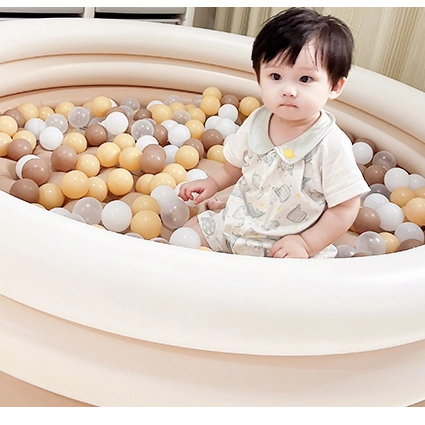
How to use an indoor ball pit safely for a 1-year-old
Readiness checklist for a 1-year-old
Readiness is less about age and more about behavior and control. Start by checking sitting and balance in normal play. They should sit without toppling during reaching and turning. They should crawl or scoot without constant face dives. They should also handle transitions, like “in” and “out,” without panic. If they cry when you step back, start even smaller. If they throw toys hard, plan firm rules before play starts. Watch how they respond to soft resistance, like pillows. That response predicts how they handle shifting balls.
Readiness cue | What you look for | Why it matters | Simple adjustment |
Sitting control | Reaches without falling | Reduces face-first tumbles | Use fewer balls at first |
Mouth behavior | Occasional mouthing only | Lowers hygiene stress | Clean more often and supervise |
Temperament | Curious, not fearful | Improves acceptance | Stay nearby and talk calmly |
Exit tolerance | Leaves without meltdown | Prevents power struggles | End early, before fatigue |
Supervision rules that actually work
Supervision needs a plan, not just good intentions. For one-year-olds, “near enough to help fast” works best. Stay close enough to steady them during slips and climbs. Keep your eyes on faces, not just movement. Faces show fatigue, gagging, or overstimulation early. If another child joins, assign one adult per pit when possible. Avoid phone scrolling during active play, since incidents happen fast. If you must multitask, keep sessions very short. The indoor ball pit should support your routine, not distract you from safety.
Tip:For childcare buyers, require a supervision ratio note on product training sheets.
Safe setup: ball size, fill level, and wall height
Setup choices change safety more than most people expect. Choose balls that are hard to fit fully into the mouth. Many families aim for larger balls around 2.5–3 inches in diameter. Avoid tiny balls and damaged balls, since they collapse and crack. Fill level should allow easy movement and clear breathing space. Overfilling can bury arms and reduce visibility. Underfilling can expose hard floors and reduce comfort. Wall height should discourage climbing, yet still allow visibility. Soft walls should not fold when they lean.
For fast setup, follow a simple order. Place the pit on a flat surface and away from furniture edges. Add a cushioned mat under it if floors feel hard. Add balls slowly and observe their movement. Stop adding when they can push through and still sit steadily. Keep the entry area clear so they do not trip. Recheck stability after the first few minutes of play.
Safer play rules for families and childcare
Rules help kids and adults share one clear standard. Keep rules short and repeat them using the same words. You can start using three basic rules, then reinforce gently. Use calm tone and quick redirection, not long lectures. One-year-olds learn through repetition and patterns.
1) No food or bottles inside the pit.
2) No throwing balls at faces or heads.
3) Feet stay down, and hands stay gentle.
4) Adults open and close the entry every time.Those rules reduce choking risk and reduce conflict. They also help in group settings and playdates. The indoor ball pit stays more fun when rules prevent chaos.
Session length and exit plan
Short sessions often work better than long sessions. Many one-year-olds do best in 5–15 minute blocks. End play before they get tired and cranky. Watch for rubbing eyes, leaning faces into balls, or sudden whining. Those signs often mean sensory overload or fatigue. Use a predictable exit routine, like “two more minutes, then out.” Offer a calm transition toy outside the pit. If they protest, stay calm and consistent. Ending early protects the next session, since they remember the last feeling.
Benefits of an indoor ball pit for one-year-olds
Sensory play and body awareness
A ball pit offers gentle, predictable sensory input for many kids. Balls move, shift, and press lightly against skin and clothes. That pressure can help body awareness during crawling and sitting. Bright colors can also support simple labeling, like “blue” and “red.” You can model words and gestures while they explore. You can also practice “in” and “out” as a simple game. For many toddlers, it feels like a safe “mini world” inside the room. The indoor ball pit can add variety when outdoor play is limited.
Gross motor practice
One-year-olds learn through movement, and the pit supports that. Crawling through balls adds resistance, which strengthens muscles gently. Standing and squatting in a ball pit can build balance confidence. They learn how to adjust posture on unstable surfaces. They also practice stepping over soft obstacles without sharp edges. You can guide them to push balls aside and find toys. That action builds coordination and patience. If you keep the space calm and supervised, the indoor ball pit becomes active play without hard impacts.
Social and communication moments
Ball pits can create great moments for simple social learning. You can practice taking turns, like “your turn” and “my turn.” You can practice “stop,” “gentle,” and “help” during play. If siblings join, the pit becomes a shared space for boundaries. It can also support short playdates in small homes. Adults can model kind behavior and redirect rough actions. Keep the group small, since crowding can overwhelm toddlers. With calm adult guidance, an indoor ball pit can support friendly play rhythms.
Risks to watch in an indoor ball pit and how to reduce them
Mouthing and choking prevention
Mouthing is normal at age one, so plan for it. Choose ball sizes that do not fit easily in the mouth. Inspect balls often for cracks, dents, or soft collapse. Damaged balls can create sharp edges and smaller pieces. Remove damaged balls immediately and replace them quickly. Keep non-toy items out of the pit, including snack wrappers and small toys. Avoid adding tiny balls “for more fun,” since they raise risk. A clean indoor ball pit also reduces stress when mouthing happens.
Slips, tipping, and climbing behavior
Slips can happen when balls roll under feet and knees. Reduce slips by keeping fill level moderate and floor cushioned. Place the pit on a non-slip surface, not on loose rugs. Keep it away from sofas and chairs that invite climbing. If the pit has soft walls, check for folding and tipping. If it has a door or zipper, keep it closed during play. Teach “feet down” and redirect climbing early. If climbing persists, shorten sessions and supervise closer. The indoor ball pit should feel stable and predictable.
Overstimulation and comfort
Some toddlers love the movement, while others feel overwhelmed. Watch for sudden tears, frantic climbing, or stiff body posture. Those signs often mean sensory overload, not “bad behavior.” Reduce stimulation by lowering ball count and lowering room noise. Move the pit to a quieter corner and limit group play. Keep lighting soft and avoid strong music during play. Offer breaks and water outside the pit. Comfort improves when sessions stay short and predictable. When you respect limits, the indoor ball pit stays enjoyable.
Risk area | Common trigger | Prevention move | Quick response |
Mouthing | Teething, boredom | Clean often, rotate toys | End play, clean hands |
Slipping | Overfill, slick floor | Moderate fill, anti-slip base | Help them sit, slow pace |
Climbing | Soft walls, nearby furniture | Clear nearby “step” items | Remove them, shorten session |
Overload | Noise, crowding | Quiet zone, fewer balls | Take a calm break |
Cleaning and maintenance plan for an indoor ball pit
Weekly maintenance that fits real life
A weekly routine keeps the indoor ball pit pleasant and lower stress. Start by removing visible crumbs and hair from the pit base. Wipe the inside walls and base using mild soap and warm water. Rinse using a clean damp cloth to reduce sticky residue. Let it air-dry fully before refilling and storing. If the pit is foldable, avoid folding while damp. Damp folds can hold odor and grow mildew. Inspect balls for cracks while you handle them. Remove damaged balls and keep spares ready.
Tip:For B2B operators, build a weekly “wipe, dry, inspect” checklist for staff.
Monthly deep clean for balls and covers
Deep cleaning once a month helps when mouthing and spills happen often. Remove all balls and wash them in batches. Many families use a mesh laundry bag and gentle wash. Others use a tub and mild soap, then rinse and air-dry. Drying matters as much as washing, since trapped moisture creates odor. Clean the cover or fabric walls as the label allows. Wipe the base and seams carefully, since seams trap grime. When everything dries fully, refill and store in a clean area.
When to replace parts
Replacement is part of safe maintenance, not a failure. Replace balls that crack, flatten, or lose shape. Replace covers if zippers break or seams tear. Replace pits that hold persistent odor after proper drying. Replace any item that sheds flakes or rough edges. If a pit wall collapses easily, it may no longer be stable. For shared spaces, replacement may happen sooner due to heavy use. Keeping parts fresh keeps the indoor ball pit enjoyable and reduces hygiene worries.
Note:For procurement teams, include spare balls and a replacement policy in contracts.
Buying guide—choosing an indoor ball pit for a 1-year-old
Safety specs and material clarity
Clear product information makes buying easier and safer. Look for material details you can understand quickly. You want surfaces that wipe clean and do not hold strong odor. You also want clear ball size guidance and age guidance. If the listing hides these details, treat it as a warning. Ask whether the cover is removable and washable. Ask how seams are finished and reinforced. Check whether dyes and plastics follow common safety standards. A well-described indoor ball pit builds confidence for parents and childcare buyers.
Build quality that matters
Build quality shows up in daily use, not in photos. Check stitching, zipper strength, and seam reinforcement. Check whether walls keep shape when you press on them. Check whether the base slides on your flooring. If it slides, plan for a mat or anti-slip pads. Check whether the pit stays upright when a toddler leans. Also check whether balls feel uniform and resilient. Cheap balls can dent and crack quickly. A sturdy indoor ball pit lasts longer and feels safer.
Features that add real value
Some features feel fun but add little real value. Other features make daily life easier. A machine-washable cover helps many families a lot. Foldable storage helps small homes and travel. A compatible floor mat helps reduce slipping and noise. A simple door or zipper can help entry and exit control. Avoid overcomplicated add-ons that create small parts. Choose features that match your routine and cleaning habits. When those match, the indoor ball pit becomes easier to use consistently.
Conclusion
An indoor ball pit can be a good option for many one-year-olds when you use it wisely. Start when they sit steadily, keep sessions short, and supervise closely. Choose safe ball size, stable walls, and simple rules, then clean and dry everything often to reduce odor and germs.
For families and childcare buyers, Wenzhou Fanle Education Technology Co., Ltd. offers practical kids products designed for safer play. Their indoor ball pit options focus on easy cleaning, stable structure, and flexible home-friendly use, so you can add fun sensory play while keeping routines calm and manageable.
FAQ
Q: Is an indoor ball pit good for a 1 year old?
A: An indoor ball pit can be good if they sit steadily and you supervise closely.
Q: How do I use an indoor ball pit safely at age one?
A: Keep sessions short, place it away from hazards, and follow simple no-throw rules.
Q: What ball size is best for an indoor ball pit for toddlers?
A: Choose balls that are hard to fit in the mouth and remove any damaged ones.
Q: How do I clean an indoor ball pit at home?
A: Wipe the pit weekly, deep clean balls monthly, and dry everything fully.
Q: Why does my child cry in an indoor ball pit?
A: They may feel overstimulated, so reduce balls, lower noise, and try shorter sessions.


