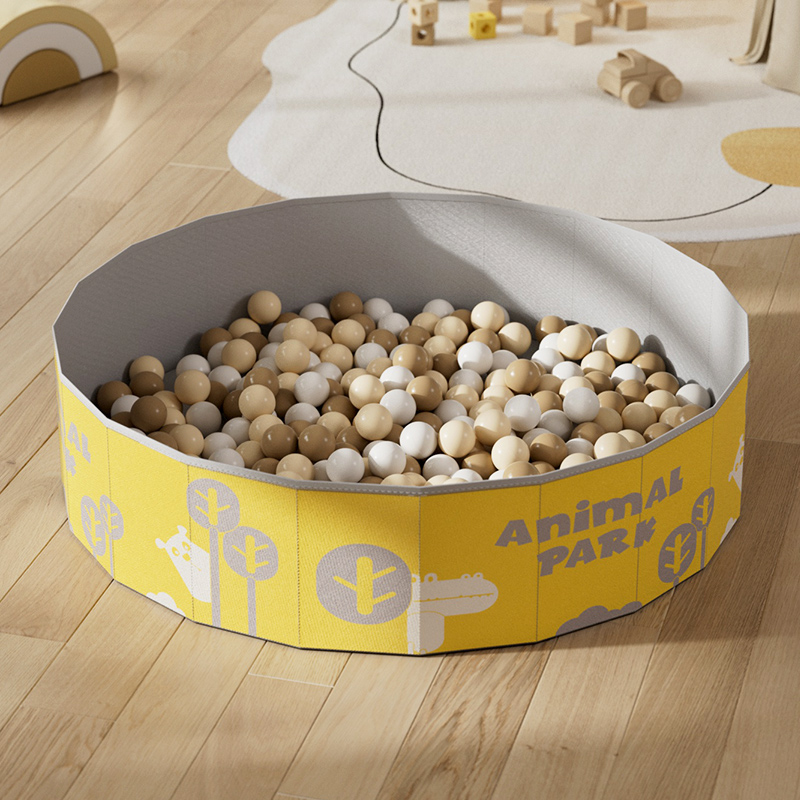
Keeping toddlers entertained indoors often feels like an impossible puzzle. Parents constantly seek safe activities to burn off boundless energy. We need reliable solutions. Yet, parents and gift-givers often struggle when facing living room realities. Clutter, setup friction, and material durability create immense frustration. Nobody wants a deflated piece of plastic creating a tripping hazard on the rug.
In this guide, we contrast the structural longevity, safety profiles, and daily maintenance of foldable panel and foam models against traditional inflatable air-chamber designs. No play space contains the mess perfectly. Plastic balls will inevitably escape the enclosure. The real goal is choosing the right structural format for your available space, budget, and tolerance for daily setup or teardown.
By evaluating these two popular formats, we can help you avoid common buyer remorse. A well-chosen play structure transforms a chaotic afternoon into hours of safe, independent play. You will learn exactly what features matter most before you make a purchase.
Key Takeaways
Foldable ball pits offer superior daily convenience and structural durability, making them the optimal long-term indoor ball pit.
Inflatable ball pools excel in versatility (doubling as summer water pools) and budget-friendly pricing, but carry inherent puncture risks.
Safety priority: For a 1-year-old, edge-support stability is critical; toddlers use the edges to pull themselves up, making sturdy soft ball pit walls or reinforced foldables safer than under-inflated pools.
Maintenance reality: The structure is only half the battle; buyers must also account for the volume of balls required (usually 200+) and the cleaning process for both the pit and the balls.
The Reality of Toddler Ball Pits: Framing the Buying Decision
Buying a kids playroom toy requires careful spatial awareness. Toddler gear consumes floor space rapidly. You must evaluate the true footprint of the product in your home. Ask yourself how often you will actually pack it away. If disassembly takes more than five minutes, you will likely leave it fully assembled. This habit turns a temporary weekend toy into a permanent living room fixture. You must plan your room layout accordingly.
Toddlers lean, fall, and climb over the sides constantly. They use walls for balance when learning to walk. The primary failure point of any toddler ball pit is wall collapse. When a child pushes down on the rim, the structure must resist. If it buckles easily, the toddler tumbles out. This creates a spill hazard for both the child and the hundreds of plastic balls inside.
We must also acknowledge household pets. Cats and dogs view padded play spaces as giant beds. Pet interference ruins fragile materials quickly. Cat claws and dog teeth pose serious risks to soft plastics. Paws will scratch the sides. Teeth will pull at the fabric seams. This critical factor immediately disqualifies thin vinyl enclosures for pet owners. An errant scratch destroys an air chamber instantly. You need puncture-proof materials if animals share the play space.
Analyzing the Foldable Ball Pit (Pros, Cons & Realities)
Manufacturers typically use MDF boards or rigid plastic panels for foldable models. They wrap these internal panels in durable Oxford cloth. Alternatively, they use thick blocks of high-density memory foam. Industry experts often categorize the foam version as a soft ball pit. Both styles prioritize structural integrity over air containment. They provide substantial tactile feedback for growing toddlers.
The setup and storage efficiency offers massive benefits.
Pro: Zero-inflation setup. You deploy the structure in seconds. The rigid panels fold flat like an accordion. They compress easily for closet storage. This saves valuable time during cleanup.
Pro: High puncture resistance. These dense materials remain completely immune to pet claws. A cat cannot pop a foam wall or puncture a wooden board. This durability extends the product lifespan significantly.
However, implementation risks exist with this format.
Con: Joint wear and tear. Rigid panel joints can wear out over time. If you fold them aggressively or incorrectly, the fabric hinges tear. You must fold them along the designated seams carefully.
Con: Foam expansion delays. Foam-based models present a different logistical challenge. They require 24 to 48 hours to expand fully upon unboxing. Furthermore, you cannot easily compact them again. Foam retains its bulky, circular shape permanently.
These models serve dedicated indoor playrooms exceptionally well. They withstand daily use by energetic children. Households with active pets find them indispensable. They represent a robust, long-term investment for early childhood development.
Analyzing the Inflatable Ball Pool (Pros, Cons & Realities)
Brands construct inflatable models primarily from PVC or vinyl materials. They utilize single or multiple independent air chambers. You must inflate each separate section individually to build the wall height. This design mimics traditional summer wading pools.
They offer distinct versatility and cost advantages.
Pro: Lower barrier to entry. Pricing remains highly budget-friendly. Families can purchase a large structure for a fraction of the cost of foam alternatives.
Pro: True multi-purpose use. You can easily transition them to an outdoor splash pad. They work beautifully as a shallow wading pool during hot summer months.
Despite the low cost, severe implementation risks remain.
Con: Pumping friction. They require a motorized electric pump for practical setup. Manual inflation represents a massive friction point. Nobody wants to blow up three thick vinyl rings by mouth.
Con: Puncture vulnerability. Micro-leaks happen constantly. These slow leaks lead to sagging walls. A sagging wall creates a dangerous tripping and fall hazard for unsteady toddlers.
Common puncture sources include:
Pet claws walking across the deflated plastic.
Sharp hard-plastic toys dropped inside the play area.
Rough outdoor surfaces like twigs or gravel beneath the floor.
These pools work best for occasional use. They suit outdoor and indoor hybrid play environments. They also pack down incredibly small, making them excellent for travel and vacations.
Head-to-Head Evaluation Criteria
Safety and compliance should drive your purchasing decision. Always verify Children’s Product Certificate (CPC) compliance. If you choose an inflatable, it must use BPA-free and phthalate-free PVC. Cheap plastics can outgas harmful chemicals. Ensure your choice utilizes non-toxic materials. Wall integrity varies wildly between formats. Foldable panels prevent the dangerous "roll-out" effect much better. Deflating PVC chambers collapse entirely under a toddler's shifting weight.
Cleaning and hygiene require a practical approach. Spills happen. Diapers leak. You must clean the play area regularly. Inflatables win on quick washing. You can hose them down outdoors with dish soap. You wipe them dry quickly with a towel. Fabric foldables require targeted spot cleaning. You use a damp cloth and mild detergent. Foam pits require machine-washable removable covers. Stripping the tight cover off the foam takes extra effort and patience.
A common buyer trap involves the volume-to-cost ratio. Parents frequently purchase a massive inflatable ball pool on sale. Then they realize a hard financial truth. It costs well over $100 in plastic balls to fill it adequately. A large pool looks completely empty without five hundred balls. You must calculate the ball volume before buying a supersized enclosure.
Evaluation Feature
Foldable Panel / Foam Pits
Inflatable PVC Pools
Wall Support
Excellent; supports standing toddlers.
Poor to fair; collapses if under-inflated.
Setup Speed
Instant (folds out) or ready to use.
Slow; requires an electric air pump.
Cleaning Method
Spot clean or machine-wash covers.
Hose down and wipe dry easily.
Pet Resistance
High; claws cannot pop the structure.
Low; highly vulnerable to scratching.
Use-Case Matrix: Which One Should You Buy?
The 1-Year-Old Birthday Gift requires maximum safety. Opt for a soft foam foldable ball pit. It provides a safe, heavily padded environment. A child learning to stand needs sturdy, soft edges for grip. It offers zero suffocation hazards from deflated, loose plastic sheets.
The High-Energy 3-Year-Old requires rugged durability. Opt for a reinforced panel foldable. Older toddlers jump constantly. They wrestle and roughhouse. A rigid panel structure withstands this intense daily abuse. It will not pop under sudden downward pressure.
The Summer/Winter Hybrid Family needs seasonal flexibility. Opt for a heavy-duty inflatable. Families appreciate adaptable gear. Use it indoors with balls in December. Move it outdoors with water in July. This approach maximizes the utility of your purchase throughout the changing seasons.
Conclusion
For permanent indoor setups, prioritize maximum durability. The foldable design justifies its higher upfront price tag. It lasts longer and resists pet damage perfectly. It serves as a reliable daily play space. For budget-conscious buyers, seasonal versatility matters most. The inflatable format represents the logical choice for occasional or outdoor use.
Before adding an item to your cart, measure your available floor space accurately. Confirm the inclusion or exclusion of balls in the product listing. Most retail boxes do not include the plastic balls. Finally, verify the material's non-toxic certifications. Protect your child and your home environment with an informed choice.
FAQ
Q: Are inflatable ball pits safe for a 1-year-old?
A: Yes, provided they are fully inflated to support the child's weight if they lean on the edge, and made of non-toxic, CPC-certified materials. However, soft foam pits are generally preferred for this age group because they eliminate deflation risks and offer better standing support.
Q: How many balls do I need to fill a standard toddler ball pit?
A: Most standard 3-foot pits require a minimum of 200 balls for a very shallow layer. You will need 400 to 500 balls for a satisfying depth that allows a toddler to sit comfortably immersed. Always check the manufacturer dimensions.
Q: How do you clean a foldable fabric ball pit?
A: Most feature a weather-resistant Oxford cloth. You can wipe this down with a damp cloth and mild baby-safe soap. For soft foam variations, look for zippered covers. You can toss these covers into the washing machine on a cold, gentle cycle.
Q: Can I use an inflatable ball pool outdoors?
A: Yes. Inflatables are highly suited for outdoor use and can often be filled with water. Ensure the ground is clear of sharp rocks or sticks. Ideally, place a thick tarp underneath the pool to prevent accidental punctures from the grass or patio.