When it comes to selecting a surface for your baby to play on, it's important to understand the difference between a foam mat and a play mat, as they serve different purposes. A foam mat is typically a soft, cushioned surface made from materials like EVA or XPE foam, offering a comfortable and safe place for babies to explore, roll, and crawl. On the other hand, a play mat is designed not only for comfort but also to engage babies with interactive features, such as colors, patterns, and textures that stimulate sensory development and learning. While both mats provide a safe play environment, understanding the distinction between the two helps parents make an informed choice based on their baby’s needs, age, and developmental stage.
What is a Foam Mat?
A foam mat is a soft, cushioned surface made from materials like EVA (Ethylene Vinyl Acetate) or XPE (Cross-Linked Polyethylene) foam. These mats are commonly used for baby play areas, offering a comfortable, safe, and durable surface for babies to explore, learn, and develop. They provide a soft foundation for various activities such as tummy time, crawling, and even early walking.
1. Safety
Foam mats are designed with safety as a top priority. They are typically made from non-toxic materials such as EVA and XPE, which are free from harmful chemicals like BPA, phthalates, and PVC. This makes them a safe choice for babies, ensuring that their sensitive skin is not exposed to any dangerous substances while they play.
2. Comfort
One of the key benefits of foam mats is their soft and cushioned surface, which makes them ideal for babies during tummy time and crawling. The high-density foam provides the necessary comfort and support, reducing the risk of injury from falls or bumps. This feature is particularly important as babies start to move more and explore their surroundings.
3. Durability
Foam mats are durable and resistant to wear and tear. They are designed to handle regular use without losing their shape or softness. The material is water-resistant and easy to clean, making maintenance simple. Whether it's wiping down spills or cleaning up after playtime, foam mats are built to last while staying hygienic for daily use.
What is a Play Mat?
A play mat is a mat designed specifically for babies' playtime, providing a safe and comfortable space for babies to explore, learn, and develop. Unlike basic foam mats, play mats often feature engaging designs, bright colors, and interactive elements such as textures, patterns, and even educational graphics. These mats are intended to stimulate a baby’s senses and encourage early learning through play.
1. Interactive Features for Sensory Development
Play mats are often equipped with sensory elements that engage a baby’s sense of touch, sight, and hearing. These mats may have:
Textured surfaces: Different textures like raised bumps, soft fabrics, or smooth patches can engage babies’ sense of touch and help with their tactile development.
Bright colors and patterns: Vibrant, contrasting colors and fun patterns stimulate a baby’s visual development, helping to strengthen their ability to focus and recognize shapes and colors.
Attached toys: Some play mats come with interactive toys, such as mirrors, rattles, or dangling objects that can encourage babies to reach, grasp, and explore, aiding their motor skills and hand-eye coordination.
2. Play-Based Learning
Beyond offering a comfortable surface for babies to move on, play mats often include educational elements that promote early learning:
Numbers, letters, and animals: Some mats feature alphabet letters, numbers, or pictures of animals to introduce babies to basic concepts while they play. These features can help build early cognitive skills and prepare babies for future learning.
Musical elements: Certain play mats may include musical features, such as built-in sounds or piano keys, to encourage babies to explore sound and rhythm, supporting auditory development.
3. Safe and Comfortable Play Area
While the added interactive elements are key to a play mat’s benefits, they are still designed with safety and comfort in mind. These mats are usually made from soft, padded materials like foam to ensure a cushioned and supportive surface for babies to play on. This makes them ideal for activities like tummy time, sitting, and crawling, offering both comfort and protection during these developmental stages.
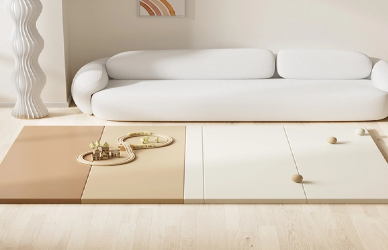
Key Differences Between Foam Mats and Play Mats
While both foam mats and play mats provide a safe surface for babies to explore, they are designed for different purposes and offer distinct features. Below are the key differences between the two:
1. Material
Foam Mats: These mats are primarily made from soft, cushioned foam materials such as EVA or XPE. The focus is on providing a comfortable and supportive surface for babies to play, roll, or crawl. Foam mats are typically simple in design and are chosen for their safety, durability, and ease of maintenance.
Play Mats: While some play mats also use foam as a base, they may incorporate a variety of materials and textures. Play mats often have a mix of foam, fabric, and plastic elements to introduce different textures and features that stimulate babies’ senses. These mats are designed to be both comfortable and interactive, with extra layers for sensory development.
2. Functionality
Foam Mats: The primary function of foam mats is to provide a safe, cushioned surface for babies to play on. They focus on comfort and protection, offering a soft foundation for activities like tummy time, crawling, and sitting. Foam mats are ideal for parents who need a durable, easy-to-clean, and comfortable surface.
Play Mats: Play mats go beyond basic cushioning by offering sensory stimulation and learning opportunities. These mats often come with features such as interactive toys, bright colors, textures, and educational graphics (like numbers, letters, or animals). The added features are designed to engage babies’ senses, encouraging motor skills, visual development, and early learning through play-based activities.
3. Design
Foam Mats: Foam mats generally have a simple and neutral design, focusing on functionality and practicality. They are often available in solid colors or basic patterns, making them versatile and easy to integrate into any room. The design of foam mats is typically understated, as their main purpose is to provide a safe and comfortable space for babies to play.
Play Mats: In contrast, play mats often feature engaging patterns, bright colors, and interactive designs to capture a baby’s attention. They may include visual stimuli like animals, shapes, numbers, and letters. Some play mats even come with built-in toys, mirrors, or musical features that make them more stimulating and fun for babies, fostering early cognitive and motor development.
Which is Right for Your Baby?
Choosing between a foam mat and a play mat depends on your baby’s age, needs, and developmental stage. Here’s a guide to help you decide:
1. For Newborns and Young Infants (0-6 months)
Foam Mat: Ideal for tummy time and early movements. It provides a safe, cushioned surface for your baby to strengthen muscles and avoid injuries.
Play Mat: A play mat with sensory features, like a mirror, can help stimulate visual development. However, comfort and safety are top priorities at this stage, so a foam mat may be the best option.
2. For Crawlers and Toddlers (6-18 months)
Foam Mat: As babies start crawling and standing, a foam mat offers a stable, cushioned surface, ideal for active play and preventing falls.
Play Mat: A play mat with educational features (colors, shapes, textures) can enhance motor skills and cognitive development during this stage of exploration.
3. For Older Toddlers and Pre-Schoolers (18 months and up)
Foam Mat: Still a good choice for providing a safe, soft space for play and activities like building blocks. Its durability and ease of cleaning make it practical.
Play Mat: A play mat with interactive elements encourages learning through play, perfect for toddlers ready to explore shapes, numbers, or music.
Conclusion
In summary, foam mats and play mats serve different purposes based on your baby’s needs and developmental stage. Foam mats are primarily focused on providing a safe, cushioned surface for comfort and stability, making them ideal for tummy time, crawling, and early walking. On the other hand, play mats offer added sensory stimulation and interactive features, promoting learning and motor skills development with engaging colors, textures, and educational designs. When selecting the right mat for your baby, consider their age, stage of development, and the intended use of the mat. By choosing the appropriate mat, parents can create a safe and stimulating environment that supports their baby’s growth and exploration.
Frequently Asked Questions (FAQ):
1.Can a foam mat be used as a play mat?
Yes, a foam mat can serve as a play mat, but it lacks the interactive designs and sensory features typically found in specialized play mats.
2.Are play mats more expensive than foam mats?
Play mats can be more expensive due to the added features like educational designs, textures, and interactive elements, compared to basic foam mats.
3.Do foam mats offer enough support for babies during tummy time?
Yes, foam mats provide ample cushioning, making them ideal for tummy time and safe play, though additional sensory stimulation may be absent.
4.Can I use a play mat outdoors?
Some play mats are designed for indoor use, but many are lightweight and portable, making them suitable for outdoor play in safe, dry environments.


