Introduction
A home ball pit looks harmless, but parents still worry about germs and safety. Are home ball pits actually safe, or do they hide risks we miss?
In this guide, you’ll learn a practical safety checklist for home ball pits, plus what labels matter, how to set it up in a safer spot, and how to clean and maintain it without stress.
Are home ball pits safe? A practical safety checklist
The “yes, if…” framework
Home ball pits are safest under a “yes, if” mindset. Yes, if the child shows basic readiness and calm play. Yes, if an adult stays close and attentive. Yes, if the pit stays stable on a flat floor. Yes, if balls stay intact and sized for toddlers. Yes, if cleaning happens on a schedule you can follow. When one piece fails, risk rises fast. Treat it as a play tool, not a babysitter. Use it for short sessions, then reset the space.
Ball size, depth, and fill level basics
Ball size matters because toddlers mouth everything. Choose balls large enough to resist full mouth coverage. Avoid tiny balls, mixed sizes, or soft collapse balls. Fill level matters too. Too many balls can bury arms and faces. Too few balls can expose hard floors and seams. Start medium, then adjust after you watch movement. Your child should sit and crawl without panic. They should also find the floor easily. If they struggle, reduce ball count right away. This keeps home ball pits calmer and more predictable.
Supervision and crowd control rules
Supervision is the biggest safety feature you own. Stay close enough to steady balance and prevent climbing. Watch faces and breathing, not only hands. Keep playgroups small, since collisions happen fast. Siblings can be helpful, yet they can also throw balls. Pets add another moving factor, so keep them outside. If friends visit, set one clear rule set first. Keep it short and repeatable. Good rules reduce chaos in home ball pits. They also lower stress for adults.
Placement and environment setup
Where you place the pit changes real risk. Keep it away from stairs, heaters, cords, and windows. Keep it away from furniture that becomes a step. Place it on a flat surface, not on thick rugs. If the floor is slick, add a non-slip mat underneath. Leave clear walkways so adults can respond fast. Avoid tight corners where balls get trapped. If walls lean when pressed, move it and test again. Safe placement helps home ball pits stay stable during active play.
Hygiene plan you can actually keep
Hygiene is a common worry, yet home use is an advantage. You control who plays, what enters, and how often it gets cleaned. “Clean enough” means no visible debris and no lingering damp smell. It also means regular drying after wipes or washing. Keep a small cleaning kit nearby so it stays easy. Use mild soap and warm water for weekly wipes. Deep clean balls on a monthly rhythm. Replace damaged balls quickly. This routine keeps home ball pits pleasant and lower stress.
Red flags that mean “don’t buy” or “stop using”
Some warning signs are easy to spot. Strong chemical odor is a big one. Vague safety claims are another one. If a seller avoids test questions, pause. If seams split quickly, stop using it. If walls fold under light pressure, it is not stable. If balls crack, dent, or shed flakes, replace them. Persistent musty odor suggests trapped moisture. If you cannot dry it fully, it will not stay safe. Listening to red flags keeps home ball pits safer long term.
Safety check | Safer sign | Risk sign | Quick fix |
Balls | Large, firm, uniform | Small, soft, mixed sizes | Remove small balls, buy replacements |
Fill level | Easy sitting and crawling | Face coverage, panic moments | Reduce ball count |
Walls | Hold shape when pressed | Fold, tip, or wobble | Relocate, check base, replace if needed |
Placement | Flat, clear, away from hazards | Near cords, stairs, heaters | Move it to a safer zone |
Hygiene | Dry, low odor, routine clean | Sticky film, musty smell | Rinse better, dry longer |
Tip:For B2B buyers, write a one-page “safe use” rule card for every order.
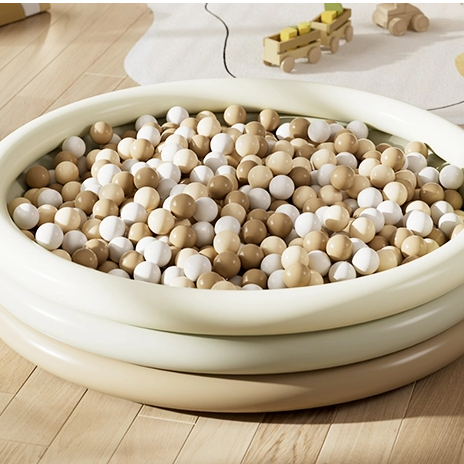
Safety standards and labels that matter for home ball pits
CPSC and general compliance language
Many parents see “CPSC compliant” and feel relief. It can be a useful baseline, yet wording varies. Look for clear, specific claims instead of vague slogans. If a product lists compliance for children’s product safety, it often means limits on harmful substances. It also suggests attention to sharp edges and small parts. Still, you should ask for supporting reports when possible. Strong brands can explain what tests were used. Clear language helps buyers compare home ball pits more confidently.
ASTM-style toy safety signals
Toy safety standards often cover hazards like sharp points and toxic substances. They also often cover label needs and age guidance. When a seller references well-known toy standards, it can be a positive signal. The key is proof, not just a logo. Ask if testing came from a third-party lab. Ask which parts were tested, including balls and cover. Also ask about dye and pigment testing. Those details matter for home ball pits, since kids mouth and rub surfaces often.
Third-party testing vs self-claims
Self-claims are easy to print. Third-party reports are harder to fake. When you shop, look for sellers who share test summaries or provide them on request. You do not need technical jargon to ask. You can ask three simple questions. Who tested it, when, and what parts were tested. You can also ask if balls and fabric were tested separately. If answers are vague, treat it as a risk sign. Documentation builds trust for home ball pits, especially for childcare procurement.
Note:For procurement teams, require test reports, batch numbers, and re-test timing in contracts.
Materials and construction that influence safety
Ball material choices and durability cues
Balls are the main contact point, so durability matters. You want balls that keep shape after squeezing. You also want consistent thickness across the batch. Thin balls can dent and crack faster. Cracked balls can form sharp edges and small fragments. Smell can also signal poor material quality. If odor stays strong after airing out, consider returning it. Ask sellers what plastic type they use and if it is free of heavy metals. Durable balls reduce replacement needs for home ball pits.
Cover fabric and cleanability reality
Cover fabric affects cleaning time and comfort. Washable covers can be a big help for parents. They also help childcare settings follow hygiene routines. Check seams and zippers for smooth finishing. Rough seams can trap grime and irritate skin. If fabric holds moisture, it may smell fast. If it dries quickly, it stays fresher. Avoid covers that shrink after washing, since fit becomes unsafe. Easy clean surfaces support safer home ball pits because you keep them maintained.
Structure stability and edge behavior
Structure matters as soon as toddlers pull and lean. Press each wall firmly before first use. It should resist folding and tipping. Check the base too, since sliding can cause falls. Anti-slip bottoms help on tile and wood. If the pit is foldable, check how panels lock in place. Weak locks can open under pressure. Also check if edges invite climbing. Rounded edges help, yet height and firmness matter more. Stable structure keeps home ball pits safer during active play.
Tip:For B2B sellers, include spare balls and zipper parts in the service plan.
Age and readiness guidelines for home ball pits
Babies and young toddlers around 12–24 months
Many families start home ball pits near the one-year stage. Readiness is more important than birthdays. Look for steady sitting and controlled crawling. If a child face-plants often, start later or reduce ball depth. Heavy mouthing is also common at this age. It is not “bad,” but it raises cleaning needs. Keep sessions short and calm. Stay close and help them find “in” and “out.” A gentle first week can shape acceptance and safer behavior.
Toddlers and preschoolers
Older toddlers often move faster and climb more. They may jump, throw, and crash into walls. This is normal energy, yet it needs stronger rules. Choose sturdier walls and a stable base. Limit the number of kids playing at once. Teach “feet down” and “no climbing” early. Use short reminders and quick redirection. For preschoolers, a larger space can reduce collisions. Home ball pits can still be fun, but structure and supervision must match the energy level.
Mixed ages, playdates, and sensory comfort
Mixed ages change the risk profile. Bigger kids can overwhelm smaller kids quickly. Use separate play times when possible. If they play together, keep ball depth lower and space larger. Watch for “trapped” moments where a small child cannot move freely. Sensory comfort matters too. Some kids love the pressure and movement. Some kids get overwhelmed and cry fast. Reduce balls, reduce noise, and shorten sessions when you see overload. Smart adjustments help home ball pits support play instead of stress.
Hygiene and cleaning plan for home ball pits
Quick daily habits
Daily habits keep the pit manageable. Start by washing hands before play when you can. It reduces grime transfer and sticky buildup. Remove visible crumbs and hair after each session. A small handheld vacuum can help, but a simple shake works too. Wipe the rim area since hands touch it most. If a spill happens, wipe it fast and dry it fully. Moisture trapped in seams causes odor. Simple daily care makes home ball pits easier to own.
Weekly routine for covers and pit surfaces
Weekly cleaning is the sweet spot for most families. Remove balls and wipe the pit base using mild soap. Follow by wiping again using clean water. This reduces residue and stickiness. Let it air-dry until seams feel dry. If the cover is washable, wash it on a gentle cycle per label. Dry it fully before reassembly. While cleaning, inspect zippers and stitching. Replace parts before they fail. Weekly care keeps home ball pits fresh and lower anxiety.
Monthly deep clean for balls and storage rules
Monthly deep cleaning helps control odor and germ worry. Clean balls in batches so it stays realistic. Many people use a tub and mild soap, then rinse well. Drying matters more than scrubbing. Spread balls out so air can reach them. Do not store balls damp in closed bags. Store them in breathable bins or mesh bags once dry. In humid climates, add extra drying time. A consistent deep clean routine keeps home ball pits safer and more pleasant.
Schedule | What to do | Time goal | Why it helps |
After play | Remove debris, quick wipe rim | 2–5 minutes | Stops buildup early |
Weekly | Wipe base, wash cover if allowed | 15–25 minutes | Keeps odor low |
Monthly | Wash balls, dry fully, inspect | 45–90 minutes | Resets hygiene and safety |
Note:For childcare sites, use a cleaning log and a “dry-to-zero” rule.
Common risks in home ball pits and how to reduce them
Mouthing, choking, and damaged balls
Mouthing is normal under age three, so plan for it. Choose balls large enough to resist full mouth coverage. Check balls often for cracks, dents, or soft collapse. Remove damaged balls right away, and keep spare balls ready. Keep non-toy items out of the pit, including snacks and small toys. If a child tries to eat inside, pause and move snacks elsewhere. A clean, intact set lowers stress and keeps home ball pits safer.
Getting stuck, face coverage, and panic moments
Some kids panic if they feel “buried,” so control depth. Start shallow for younger toddlers, then increase slowly after you watch their balance. Keep fill level moderate so they can find the floor easily. Stay close and keep hands ready to steady them. Teach “sit first” before they crawl through deeper balls. If they look distressed, stop and take a short break. Short, positive sessions build confidence and keep home ball pits calmer.
Slips, tipping, climbing, and germ anxiety
Slips happen when balls roll under feet and knees. Reduce ball count if you see frequent falls. Add a non-slip mat if the pit slides on tile or wood. Keep it away from climbable furniture to reduce escape attempts. For germs, use the home advantage and keep a simple routine. Wipe weekly, deep clean monthly, and dry everything fully. Avoid heavy fragrance sprays that leave residue. Practical hygiene beats perfection in home ball pits.
Tip:For B2B operators, train staff on “fill level control” and quick inspections.
Choosing the right home ball pit for your space and budget
Size, shape, and room fit
Use a simple fit checklist before you buy:
● Measure the floor space you can truly spare.
● Keep walkways clear for fast adult response.
● Choose compact pits for small homes and tight rooms.
● Choose larger pits for open plans to reduce collisions.
● Pick a shape that matches your layout, not trends.
● Check storage needs and folding size for weekly use. A well-fitted setup makes home ball pits easier to use and easier to maintain.
Features worth paying for and questions to ask
Focus on the few features that affect safety and upkeep:
● Washable cover for faster cleaning and lower odor risk.
● Stable base to reduce slips and tipping.
● Quality balls to reduce cracking and replacement. Before buying, ask sellers direct questions:
● What is the ball diameter and material type?
● Are test reports available for balls and fabric?
● Can you buy spare balls and replacement covers?
● What does the warranty include, and for how long? These questions help you choose home ball pits you can keep in good condition.
Home ball pits vs public soft play
Use this quick comparison to decide what fits your routine:
● Home ball pits give control over crowding and noise.
● They also give control over cleaning and storage.
● Public soft play offers bigger space and social energy.
● It also adds unknown hygiene and busy conditions. Many families mix both options across the week. They use public spaces for big energy days. They use home ball pits for calmer, repeatable routines.
Conclusion
Home ball pits can be safe when you manage the basics well. Choose clear materials and sturdy structure, control ball depth, place it away from hazards, and supervise closely. Keep a simple cleaning routine and dry everything fully to reduce odor and germs.
For families and childcare buyers, Wenzhou Fanle Education Technology Co., Ltd. offers practical kids products designed for everyday home use. Their home ball pits focus on easy care and stable play spaces, helping you keep playtime fun, calmer, and easier to maintain.
FAQ
Q: Are home ball pits safe for toddlers?
A: Yes, home ball pits can be safe when you supervise closely and keep rules simple.
Q: What ball size is safer for home ball pits?
A: Choose larger, firm balls and remove any damaged ones to reduce mouthing risks.
Q: How do I clean home ball pits at home?
A: Wipe the pit weekly, deep clean balls monthly, and dry everything fully.
Q: Why do home ball pits start to smell?
A: Odor usually comes from trapped moisture, so improve drying and storage airflow.
Q: Home ball pits vs public ball pits—which is safer?
A: Home ball pits give you more control over crowding, materials, and cleaning routines.


